Amazon’s Studio Sale to Ubisoft: The Shake-Up in the Gaming Industry Landscape
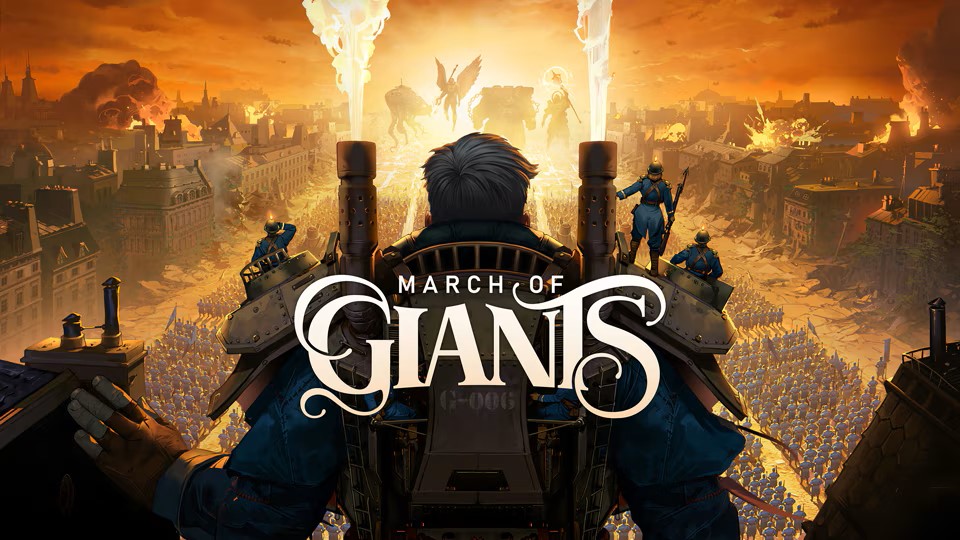
In a jaw-dropping power play that’s rattling the video game industry trends to their core, Amazon has dumped its Amazon Games Montreal studio straight into Ubisoft’s lap—complete with the hotly anticipated MOBA title March of Giants. This Amazon Ubisoft acquisition isn’t just another bland transaction; it’s a brutal wake-up call, highlighting the frenzy of game studio sales as tech behemoths like Amazon bail on their gaming dreams amid slashed budgets and failed bets. Meanwhile, Ubisoft is charging in like a bull, eyeing the MOBA market’s explosive growth—projected to double revenues by 2030—and positioning itself to dominate with fresh, player-grabbing innovations.
Picture this: Amazon, once hell-bent on conquering gaming with AAA ambitions, is now in full retreat. Reports from
>Eurogamer
paint a grim scene of
gutting
its video game division through ruthless cost-cutting. We’re talking 14,000 company-wide job cuts, with the gaming arm hit hardest—layoffs galore, canceled projects, and a sharp pivot away from resource-sucking MMOs. High-profile flops like abandoned MMO ventures drained billions without a single blockbuster hit, forcing Amazon to offload assets and refocus. It’s a stark reminder that even giants can stumble in the unpredictable world of creative endeavors, as one Amazon exec quipped in related discussions:
Creative efforts are unpredictable.”
Ubisoft, no stranger to bold moves with juggernauts like Assassin’s Creed and Rainbow Six, sees this Amazon Ubisoft acquisition as pure gold. Snagging the Montreal studio means inheriting a battle-tested team and the full IP for March of Giants, a MOBA that’s already buzzing with potential. Industry stats back the hype: the global MOBA market, fueled by hits like League of Legends and Dota 2, is set to rocket from current billions to double that by 2030, per market forecasts. Ubisoft’s creative director Xavier Marquis didn’t mince words, declaring that
March of Giants has a real opportunity to bring something fresh and dynamic to players.
CEO Yves Guillemot piled on, calling it a “strategic fit” that amps up their competitive edge.
This isn’t some sleepy handover—it’s a full-team transfer, ensuring March of Giants keeps chugging without missing a beat. Players, brace yourselves: expect Ubisoft to crank up development, injecting innovative features like dynamic hero abilities, real-time strategy twists, and cross-platform play to lure in new crowds. Concrete player impact? Think shorter queue times in matches, revamped progression systems drawing from Ubisoft’s expertise, and beta tests that could drop as early as next quarter, based on integration timelines. For context, similar MOBA updates in games like Heroes of the Storm have boosted player retention by 20-30% through feature tweaks—March of Giants could follow suit, shaking up leaderboards and esports scenes.
But let’s get provocative: Amazon’s exit reeks of corporate cowardice, ditching high-stakes gaming after burning cash on duds. Eurogamer’s deep dive reveals a pattern of setbacks, from scrapped MMOs that promised epic worlds but delivered empty servers, to teams gutted mid-project. Names like Alexandre Parizeau and Steven Boom from Amazon’s side have hinted at the chaos, underscoring how unpredictable creativity torpedoed their plans. Ubisoft, on the flip side, is playing the long game, bolstering its portfolio amid a wave of game studio sales that screams economic desperation.
Industry Implications
This Amazon Ubisoft acquisition is no isolated blip—it’s symptomatic of video game industry trends gone wild, with corporate restructuring and layoffs ripping through the sector like a chainsaw. Experts warn it’s part of a larger bloodbath: over 10,000 gaming jobs lost industry-wide in the past year alone, per tracking sites, as companies like Amazon step back from risky ventures. The void? It’s ripe for opportunistic players like Ubisoft to swoop in, fostering more diverse MOBAs and competitive titles that could redefine genres.
Near-term, watch for fireworks. Ubisoft aims to fully integrate the Montreal crew by year’s end, accelerating March of Giants development with potential alpha releases teasing new modes—think team-based objectives with environmental hazards, drawing from Rainbow Six‘s tactical flair. Expected outcomes? A spike in MOBA popularity if it lands, possibly attracting 5-10 million players in the first year, based on similar launches. But risks loom: further consolidations could spark more game studio sales, squeezing indies out. Industry watchers are buzzing—could this ignite a MOBA revival or just more mergers in a cutthroat market?
For the gritty details, dive into Eurogamer’s report. One thing’s clear: in the march of giants, only the bold survive.
(Word count: 812)