Bungie’s Marathon Evolution: From Indefinite Delay to 2026 Comeback
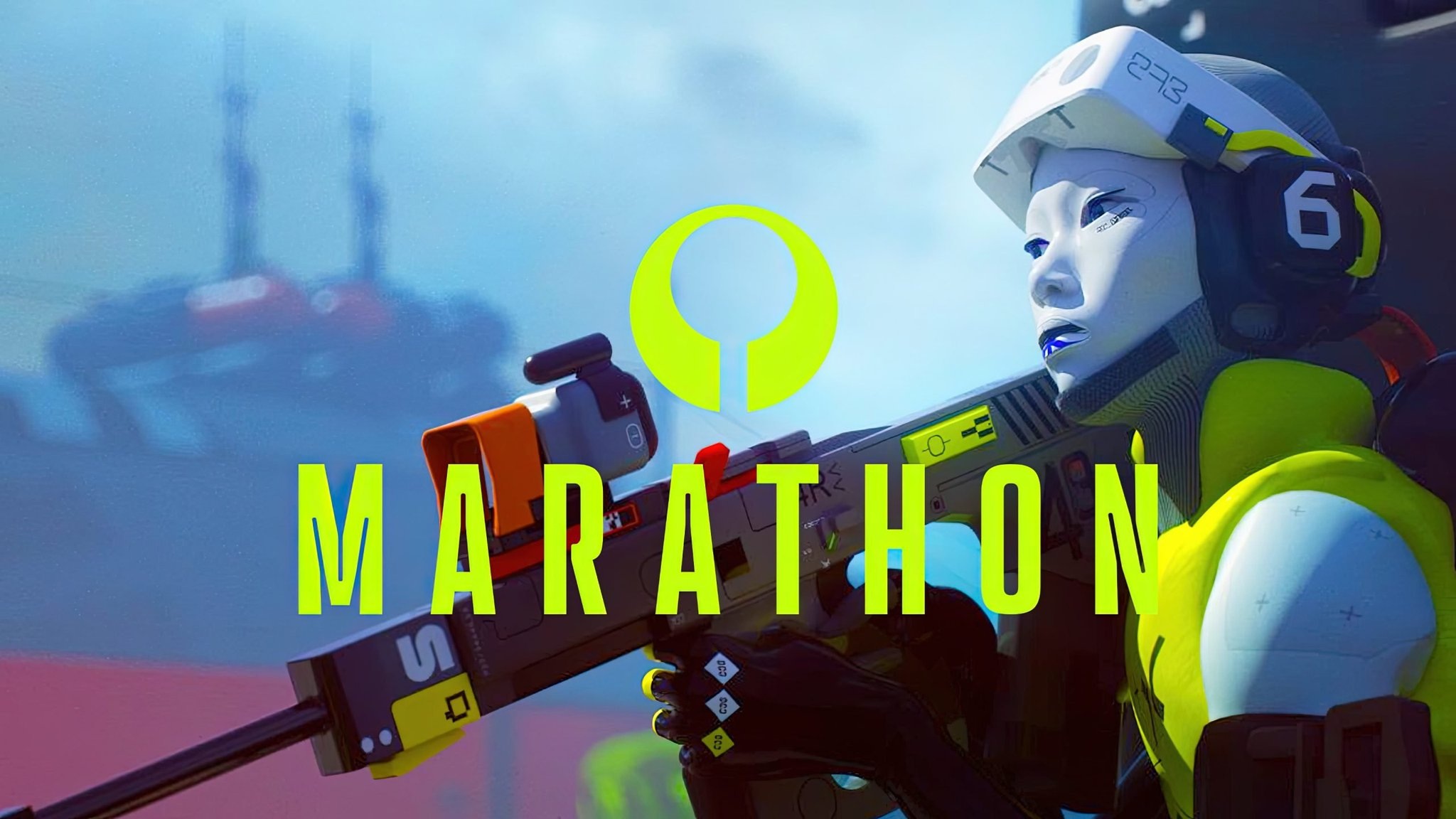
Bungie has announced a March 2026 release window for its rebooted sci-fi extraction shooter Marathon, marking a significant turnaround for the project that was indefinitely delayed just six months ago due to community backlash. The live-service game, set to launch on PlayStation 5 and PC at a price of £34.99/$39.99/€39.99, incorporates player feedback with enhancements like improved visuals and new gameplay modes. This Marathon game update signals Bungie’s commitment to refining its FPS shooter developments amid a competitive landscape of live-service games, potentially positioning it as a contender against titles like Helldivers 2.
Tumultuous Journey Since Unveiling
The journey of Marathon has been tumultuous since its unveiling in May 2023. Initially positioned as a revival of Bungie’s classic franchise, the game faced a series of setbacks including leadership changes, legal disputes, and a plagiarism scandal. These issues culminated in negative feedback from an alpha playtest, prompting Bungie to shelve the project indefinitely. As reported by Eurogamer, the delay came after passionate community feedback highlighted concerns over the game’s direction and execution [https://www.eurogamer.net/six-months-after-being-delayed-indefinitely-bungies-troubled-marathon-finally-gets-release-window-and-price]. This indefinite Bungie delay reflected broader challenges in FPS shooter developments, where rushed releases often lead to player dissatisfaction.
Steering Toward Recovery
Now, Bungie is steering Marathon toward recovery with targeted improvements. A recent developer deep dive, detailed in a nearly 23-minute video, showcases efforts to enhance the game’s atmosphere, making it feel more grounded, gritty, and dangerous. Key updates include better visual fidelity to align with the darker tone, the addition of proximity chat for immersive player interactions, and a Solo Runner queue to accommodate individual playstyles. Furthermore, a new solo scavenger experience called Rook allows players to explore without team dependencies, addressing complaints about accessibility in the extraction shooter genre.
These changes reflect broader FPS shooter developments where developers respond to player input to avoid the pitfalls seen in other live-service games. For instance, Bungie draws lessons from its own Destiny 2, aiming to build on that foundation while avoiding missteps like those experienced by Sony’s Concord, which struggled post-launch. Polygon notes that the reboot emphasizes quality improvements, with the release shifted from an original September target to March 2026, ensuring a polished product [https://www.polygon.com/bungie-marathon-2026-release-date-changes-graphics/].
Pricing the game at £34.99 positions it accessibly in the market, potentially attracting a wider audience wary of high entry costs in live-service titles. Bungie’s announcement also confirms cross-platform availability, including Windows PC and eventually Xbox Series X, under Sony Interactive Entertainment’s umbrella following their acquisition.
Key Gameplay Enhancements
These features stem directly from community feedback, as Bungie highlighted in their updates, underscoring a player-centric approach to Marathon game updates. The indefinite Bungie delay, once a sign of trouble, now appears as a strategic pause for refinement. Concrete examples of changes include:
– Visual Fidelity: Upgraded graphics for a more immersive, dangerous sci-fi world, with enhanced lighting and textures to support the gritty tone, as shown in the developer video where side-by-side comparisons reveal sharper details and atmospheric depth.
– Proximity Chat: Enables real-time voice communication with nearby players, enhancing tactical depth—players can coordinate ambushes or negotiate truces on the fly, adding layers to extraction mechanics without relying on text chat.
– Solo Runner Queue: A dedicated mode for solo players in multiplayer lobbies, reducing wait times and matchmaking frustrations, directly tackling alpha test feedback where solo players felt disadvantaged in team-heavy scenarios.
– Rook Experience: A new solo mode focused on scavenging and exploration without extraction pressures, allowing players to gather resources and test builds in a low-stakes environment, with potential for narrative-driven elements like environmental storytelling.
These enhancements address specific player impacts from the alpha, such as reports of mismatched team dynamics and underwhelming visuals, which Eurogamer cited as key factors in the initial backlash.
Near-Term Implications and Looking Ahead
Looking ahead, Bungie’s focus on iterative improvements could determine Marathon’s success in the crowded live-service games arena. With the March 2026 window set, the developer plans ongoing community engagement, including potential beta tests in late 2025 to gather more data on balance and features. This could lead to further tweaks, such as expanded progression systems or seasonal content roadmaps, building on Destiny 2’s model where post-launch updates boosted player retention by 20-30% in key expansions.
Analytically, this evolution from delay to comeback highlights the adaptive nature of modern game development, where listening to players can turn potential failures into promising revivals. If Marathon launches with strong initial reviews—potentially scoring above 80 on Metacritic based on similar reboots—it could capture market share from competitors like Helldivers 2, which saw peak concurrent players exceed 450,000. However, failure to deliver on these promises risks repeating Concord’s fate, where low engagement led to server shutdowns within months. Bungie’s strategic pause, informed by past FPS shooter developments, positions Marathon as a case study in resilience amid industry volatility.